5 Repairs Homeowners Should Fix Before Spring
Winter leaves marks on your home — some of them you don’t notice until it’s too late.
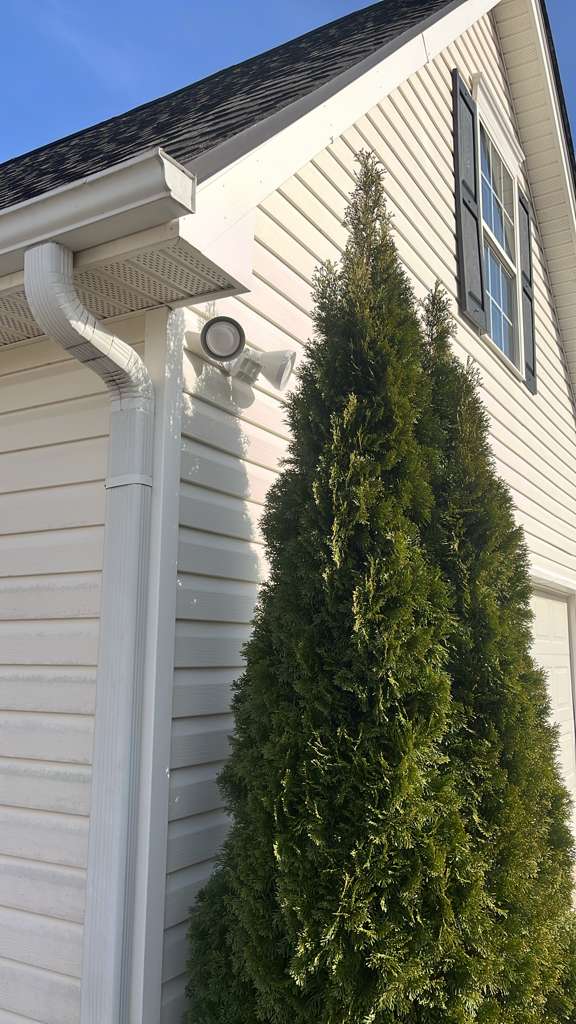
1. Damaged or Clogged Gutters
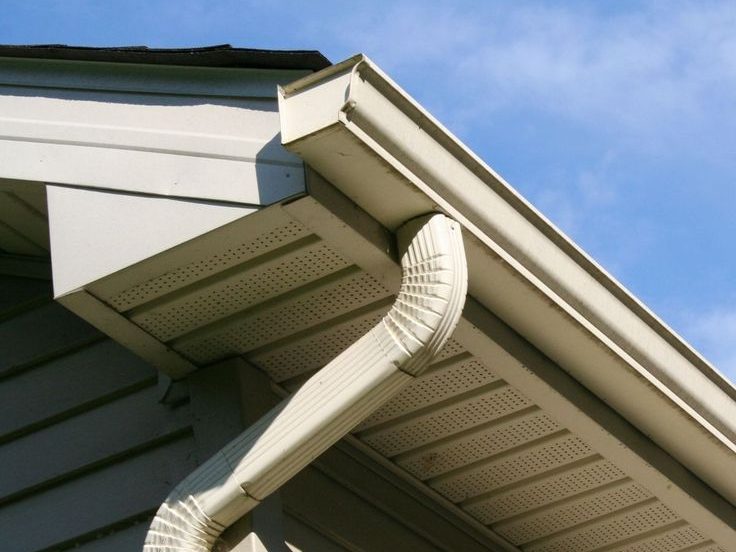
During winter, gutters collect leaves, ice, and debris. When this happens, water cannot flow properly away from the home.
Instead, it may overflow and start damaging areas like:
- Roof edges
- Fascia boards
- Exterior walls
- Foundations
A simple gutter inspection and cleaning can prevent water from slowly damaging the structure of your property.
Ignoring this small issue can eventually lead to much larger and more expensive repairs.
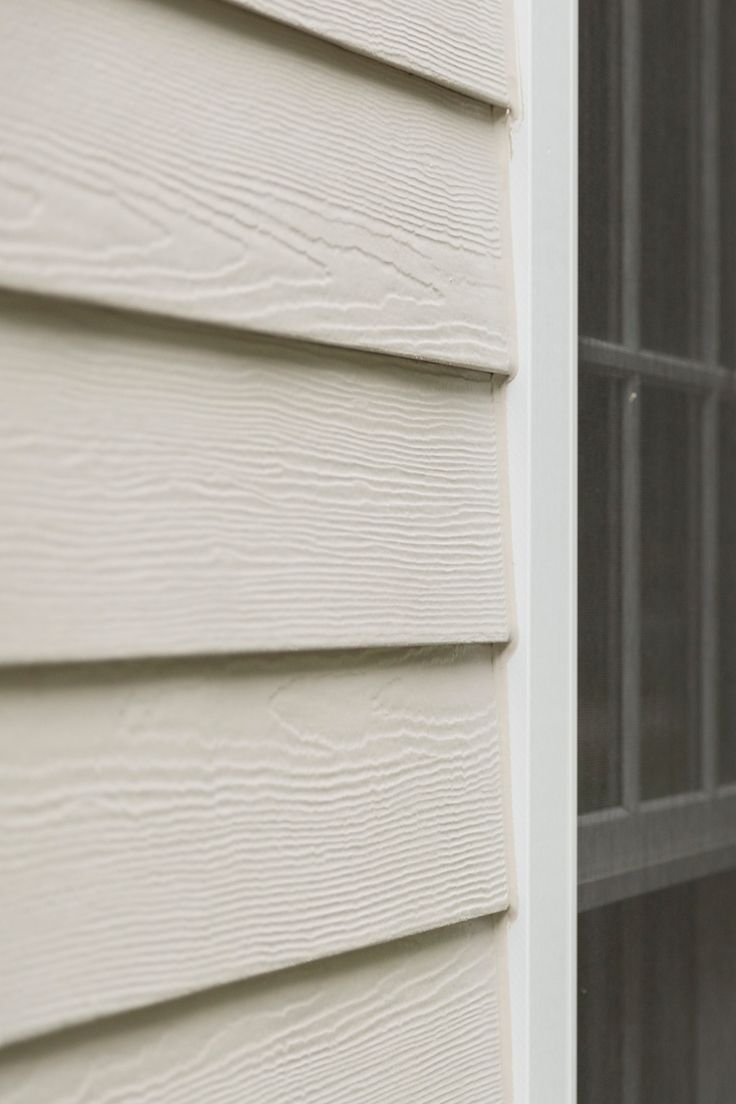
2. Small Exterior Cracks
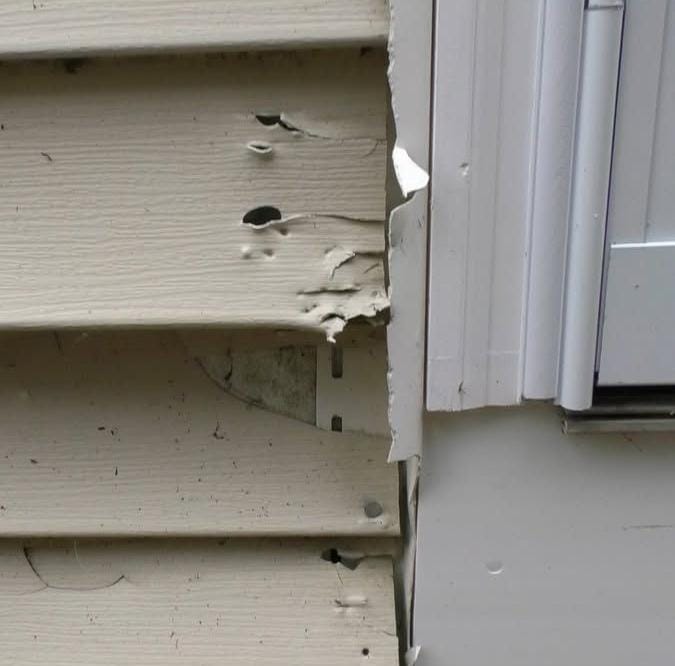
Cold weather causes materials to expand and contract. This often leads to small cracks in siding, walls, and exterior surfaces.
At first, these cracks may look harmless, but they can allow:
- Moisture to enter
- Mold to develop
- Structural materials to weaken
Spring rains can make these problems worse, so sealing and repairing cracks early helps protect the home’s exterior.
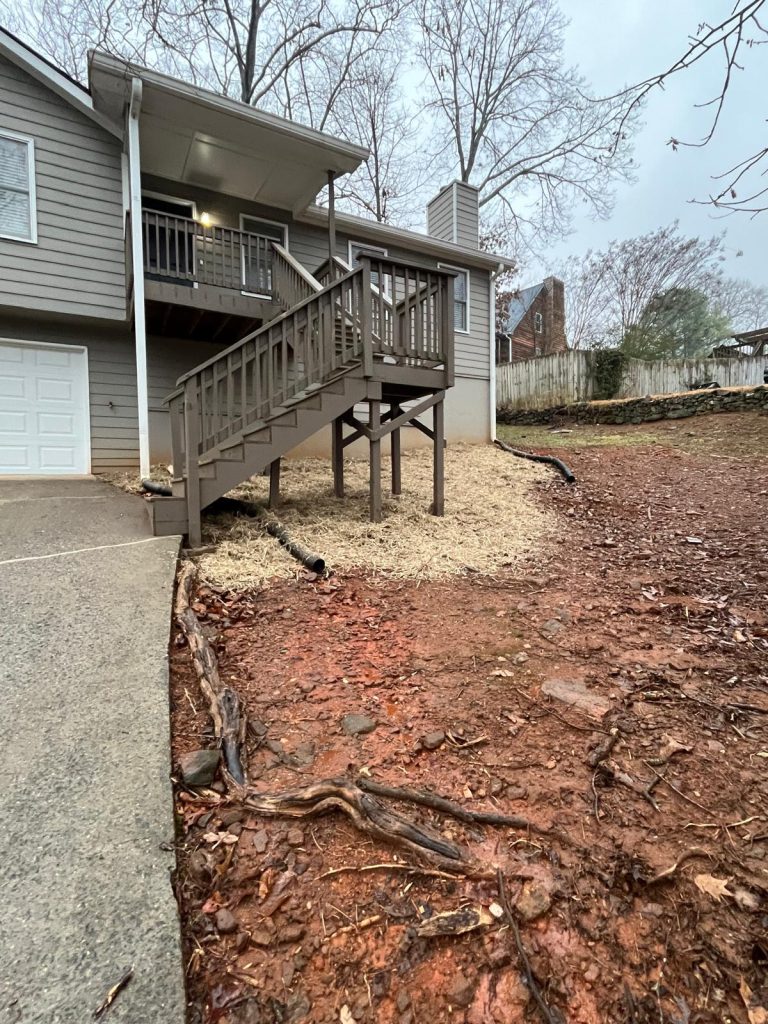
3. Moisture Damage on Decks and Outdoor Structures
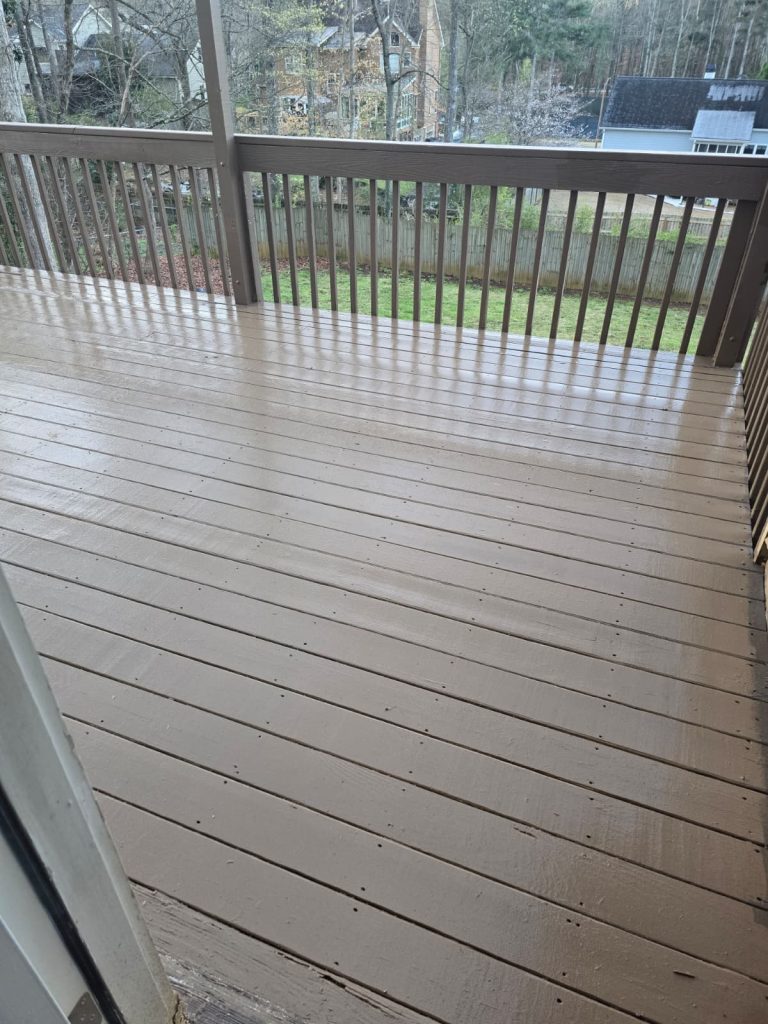
Wood decks, fences, and outdoor structures absorb moisture during the winter months.
When temperatures change, that trapped moisture can lead to:
- Wood warping
- Surface deterioration
- Rot over time
A spring inspection can reveal whether your deck needs cleaning, sealing, or minor repairs to extend its lifespan.
Proper maintenance keeps outdoor spaces safe and ready to enjoy once warmer weather arrives.
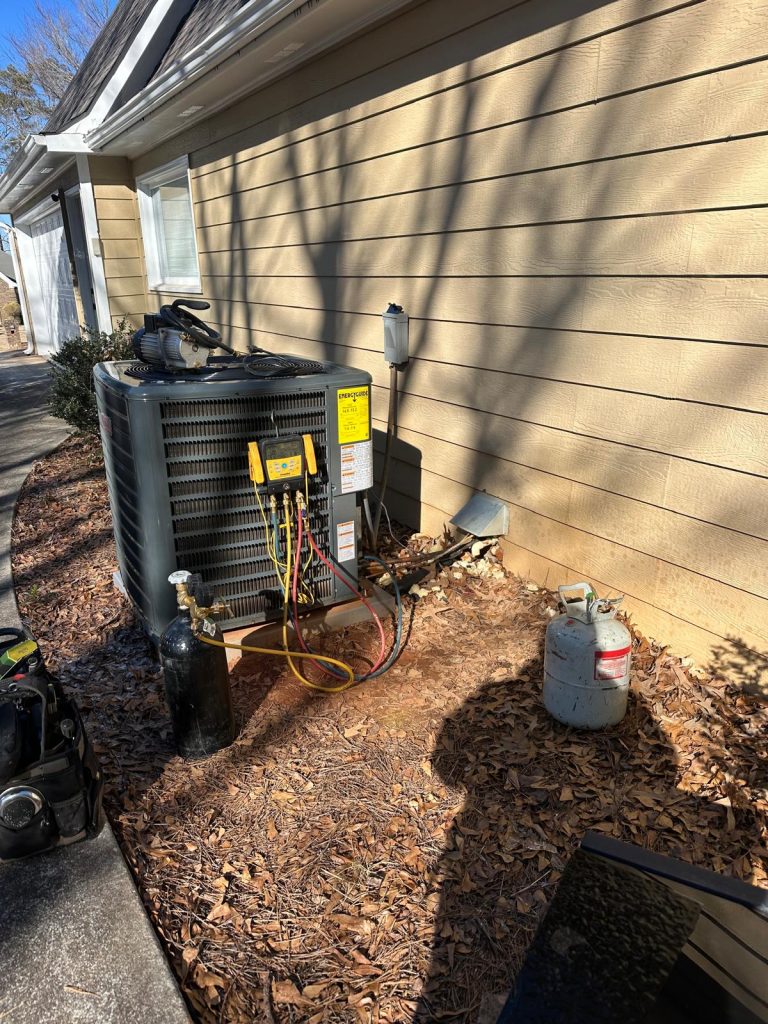
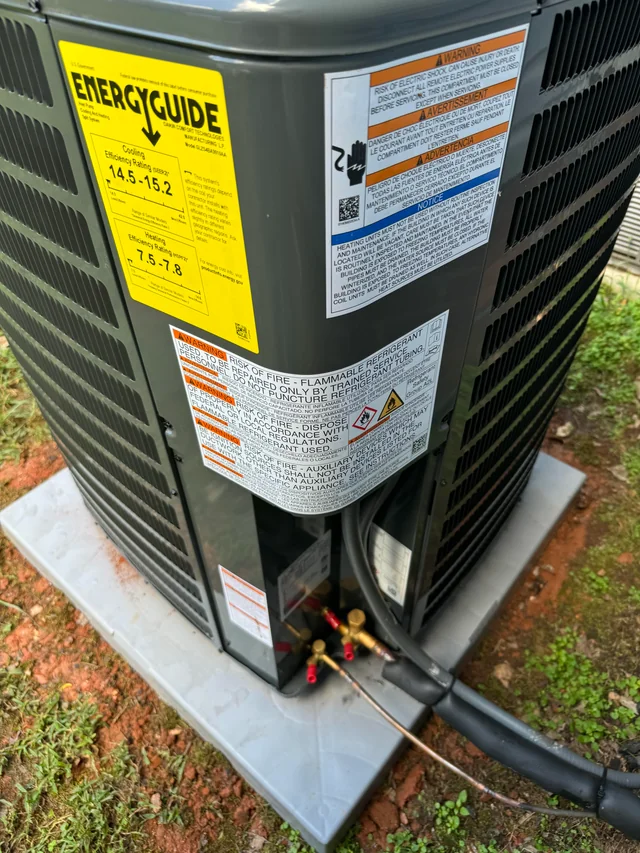
4. HVAC Strain After a Long Winter
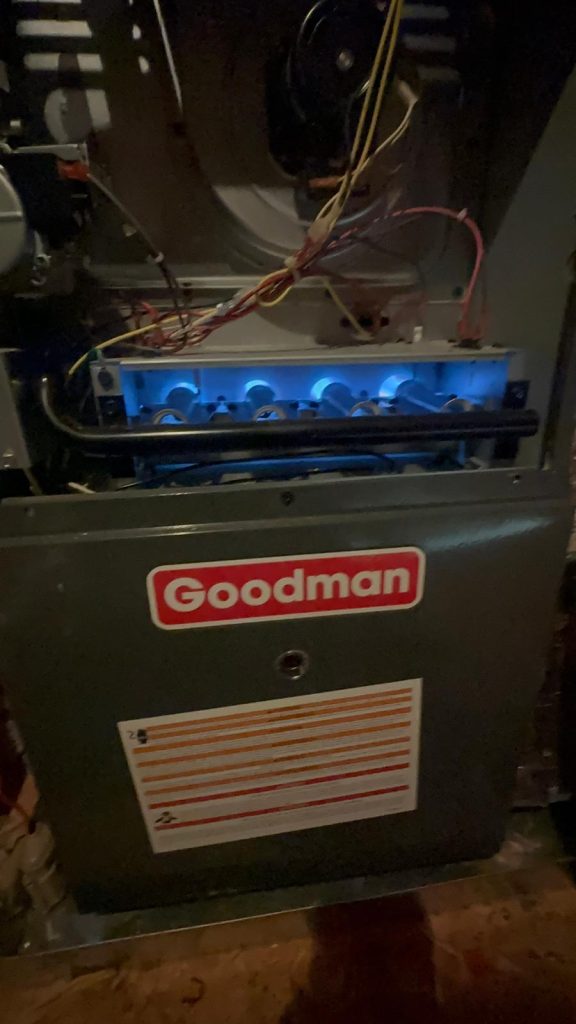
Your heating system works harder during winter than at any other time of the year.
After months of constant use, HVAC systems can develop issues such as:
- Reduced airflow
- Dust buildup in ducts
- Worn components
- Inefficient heating cycles
Even if the system still runs, a seasonal inspection helps identify hidden problems before they become costly breakdowns.
Preventive maintenance ensures your system transitions smoothly into the cooling season.
5. Cracks in Driveways and Concrete Surfaces
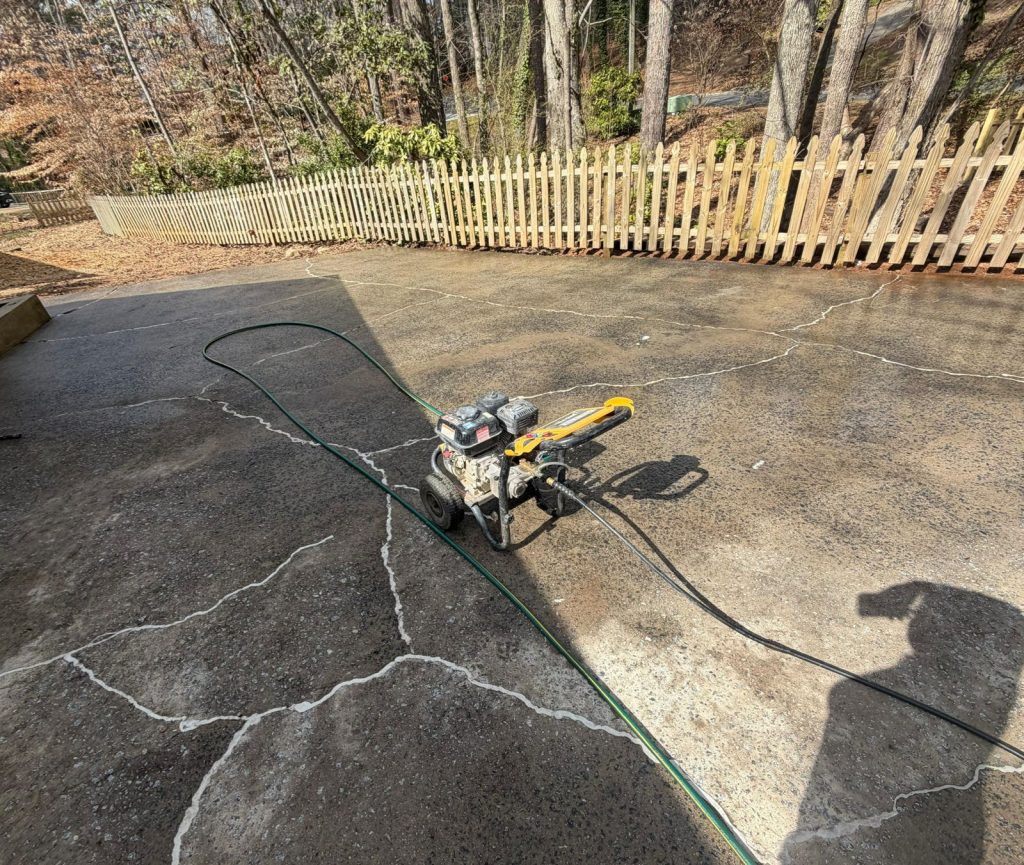
Driveways and walkways are especially vulnerable to winter damage.
Water seeps into tiny openings in the concrete. When it freezes, it expands — causing the cracks to grow larger over time.
If left untreated, these cracks can lead to:
- Uneven surfaces
- Larger structural breaks
- Costly concrete replacement
Repairing them early is often simple and far less expensive than waiting until the damage spreads.
A Small Inspection Can Prevent Bigger Problems
Most homes develop minor issues during winter. The key is identifying them early before they turn into major repairs.
Checking gutters, exterior surfaces, decks, HVAC systems, and driveways can make a significant difference in the long-term condition of your home.
A little attention now can help protect your property, improve safety, and prevent unexpected costs as the seasons change.